Admin
Admin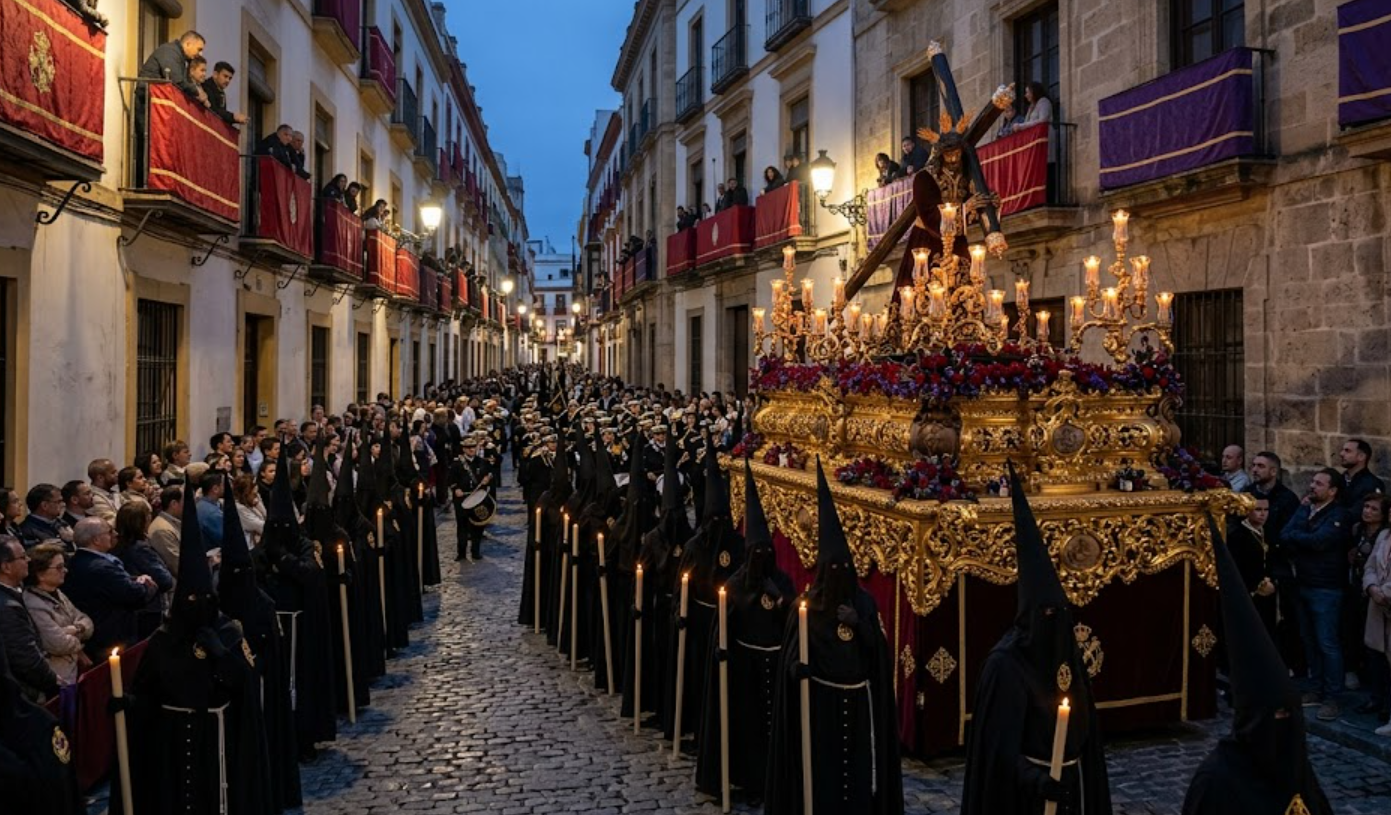
The historical origins of Holy Week traditions can be traced back to the earliest days of Christianity, when followers of Jesus began commemorating the events of his Passion, death, and resurrection. These observances first emerged in Jerusalem, where pilgrims would physically retrace the final days of Christ, forming the foundation of what would eventually become Semana Santa 2025 as it is known today. Over time, these early rituals evolved into more structured liturgical practices, especially after Christianity spread throughout the Roman Empire. By the Middle Ages, Holy Week had developed into a deeply symbolic period marked by prayer, fasting, and public acts of devotion, particularly in Europe where religious expression became closely tied to art and community life.
Religious Significance and Global Observance
The religious significance of Semana Santa 2025 lies in its central message of sacrifice, redemption, and renewal. It commemorates the final days of Jesus Christ’s life, leading up to his crucifixion on Good Friday and resurrection on Easter Sunday. For Christians around the world, this period represents the most sacred moment in the liturgical calendar, encouraging reflection, prayer, and spiritual renewal. Churches hold special services, including processions, vigils, and reenactments that help believers connect emotionally and spiritually with the events being remembered.
On a global scale, Semana Santa 2025 is observed in many different ways depending on cultural and denominational traditions. While Catholic communities emphasize processions and public displays of devotion, Protestant and Orthodox churches may focus more on scripture readings and liturgical services. Despite these differences, the shared purpose remains the same: to honor the Passion of Christ and reaffirm faith. This universality is what makes Holy Week one of the most widely recognized and deeply meaningful religious observances in the world.
Major Celebrations in Spain: The Heart of Semana Santa
Spain is widely regarded as the epicenter of Semana Santa 2025, where Holy Week becomes a powerful blend of religion, art, and public tradition. Cities such as Seville, Málaga, and Valladolid transform into living stages for elaborate processions organized by centuries-old religious brotherhoods. These events feature massive religious floats carrying detailed statues of Christ and the Virgin Mary, accompanied by candlelight, incense, and solemn marching bands that fill the streets with an atmosphere of deep reflection. In Seville especially, the emotional intensity is heightened by traditional saetas—spontaneous flamenco-style prayers sung from balconies that echo through the night.
What makes Spain’s celebrations unique is the strong sense of identity and community participation embedded in every procession. For many locals, Semana Santa 2025 is not just a religious observance but a cultural inheritance passed down through generations. Preparation often takes months, and entire neighborhoods take pride in contributing to the rituals. The combination of visual artistry, musical tradition, and collective devotion turns Holy Week in Spain into one of the most remarkable cultural events in the world.
Latin America’s Living Traditions and Cultural Identity
Across Latin America, Semana Santa 2025 is celebrated with a vibrant mix of Catholic devotion and local cultural expression, creating traditions that are both deeply spiritual and visually striking. In countries like Guatemala, Mexico, Peru, and Colombia, Holy Week often extends beyond church walls and becomes a full community experience. Streets are transformed into sacred pathways where processions move through colorful decorations, while families gather to prepare food, attend services, and participate in local rituals that reflect both faith and cultural pride.
In Guatemala, one of the most iconic elements is the creation of intricate alfombras made from sawdust, flowers, and fruits, carefully arranged on the streets for processions to pass over. In Mexico, particularly in Iztapalapa, dramatic reenactments of Christ’s Passion draw thousands of participants and spectators each year. These traditions highlight how Semana Santa 2025 in Latin America is not only a religious observance but also a powerful expression of identity, blending indigenous heritage with centuries of Catholic influence.
Tourism Impact and Travel Trends in 2025
The global popularity of Semana Santa 2025 continues to grow, making it one of the most important cultural tourism periods of the year. Cities known for their Holy Week celebrations, such as Seville and Antigua Guatemala, experience a significant surge in international visitors who travel specifically to witness the processions and rituals. Hotels, guided tours, and cultural experiences are often booked months in advance, reflecting the strong demand for immersive cultural travel during this period.
Symbolism, Processions, and Cultural Elements
The symbolism behind Semana Santa 2025 is deeply rooted in Christian theology and centuries of artistic tradition. Every element in a procession carries meaning, from the candlelight that represents hope and faith to the incense symbolizing prayers rising to heaven. The pasos, or religious floats, often depict scenes from the Passion of Christ with extraordinary detail, crafted by skilled artisans whose work is passed down through generations. Participants dressed in traditional robes and hoods walk slowly through the streets, embodying themes of penance, humility, and reflection.
Music also plays a central role in shaping the emotional atmosphere of Holy Week. Marching bands perform solemn compositions that guide the rhythm of processions, while moments of silence are often broken by spontaneous expressions of devotion from spectators. These cultural elements combine to create a powerful sensory experience that defines Semana Santa 2025, turning public spaces into living expressions of faith and heritage.
Modern Trends: Digital Celebrations and Global Participation
In recent years, Semana Santa 2025 has expanded beyond physical gatherings into the digital world, allowing global audiences to participate in Holy Week celebrations from anywhere. Many churches and cultural organizations now livestream major processions, enabling people who cannot travel to still experience the atmosphere in real time. Social media platforms also play a growing role, with users sharing images, videos, and personal reflections that help spread awareness of these traditions worldwide.
Conclusion
Semana Santa 2025 stands as a powerful blend of faith, culture, and global tradition that continues to evolve while staying deeply rooted in its historical origins. From its early beginnings in Jerusalem to its grand processions in Spain and vibrant community celebrations in Latin America, Holy Week reflects a shared human experience of reflection, sacrifice, and renewal. Its influence now extends beyond religion into tourism, art, and digital culture, making it one of the most significant cultural observances in the world today. What remains constant is its emotional and spiritual depth, which continues to bring communities together across generations and borders.
FAQs
1. When is Semana Santa 2025?
It will be observed from April 13 to April 20, 2025.
2. What does Semana Santa mean?
It means “Holy Week” and commemorates the Passion, death, and resurrection of Jesus Christ.
3. Why is Spain important for Semana Santa?
Spain is known for its historic processions, religious brotherhoods, and deeply artistic celebrations.
4. Is Semana Santa only celebrated in Spain?
No, it is also widely celebrated in Latin America and other Christian communities worldwide.
Visit for More Gossips and Information:- How Thread