Admin
Admin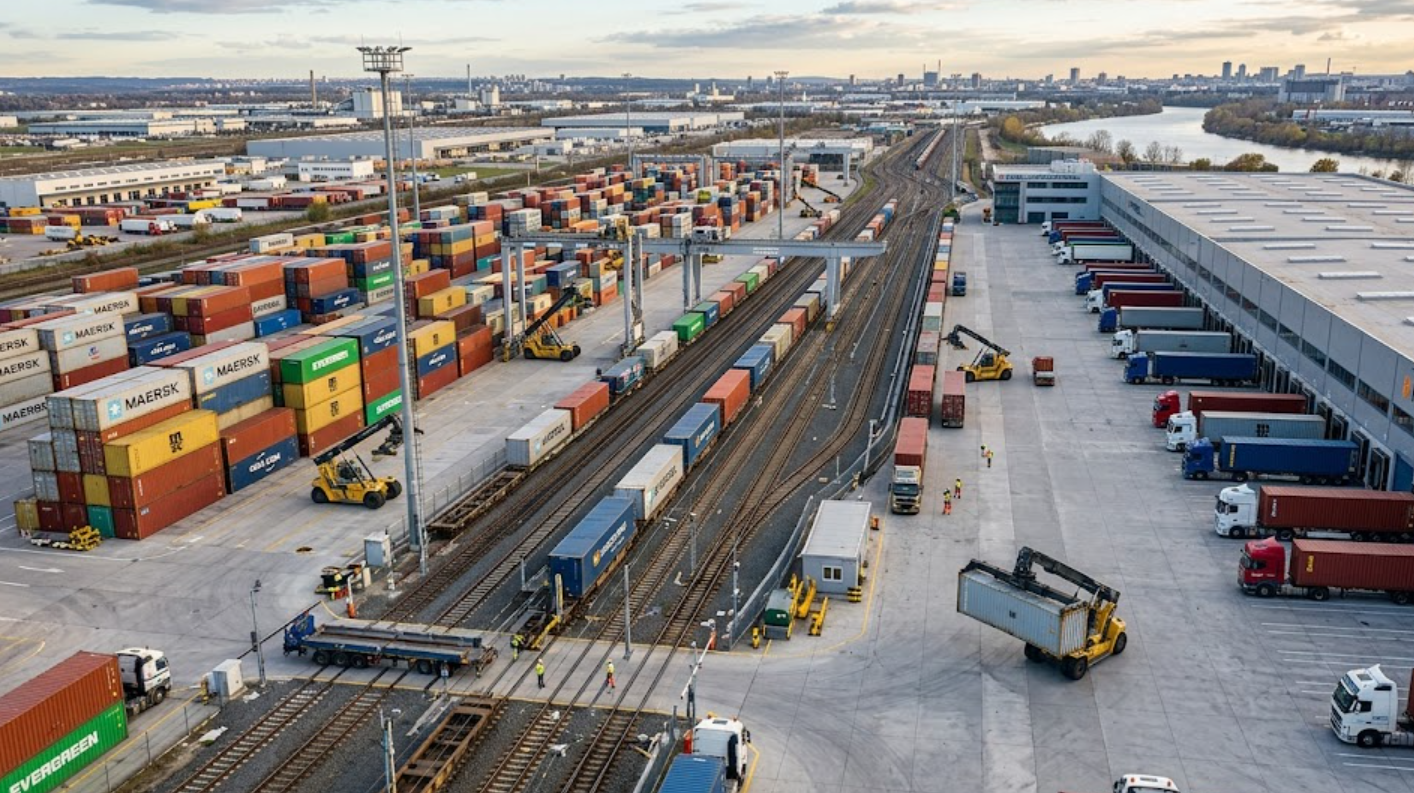
A Private Freight Terminal is a dedicated logistics facility owned by a private company and designed to manage the movement, storage, and transfer of goods across different transport modes such as rail and road. Unlike public freight hubs that serve multiple operators, a private terminal is built to support the specific operational needs of a single organization or a tightly controlled group of partners. This allows for greater efficiency, faster handling of cargo, and more predictable logistics performance. In practical terms, it acts as a controlled gateway where raw materials arrive, are processed or stored if needed, and then dispatched as finished or semi-finished goods without unnecessary delays. These terminals are commonly found near manufacturing plants, industrial parks, and major transport corridors because proximity reduces transit time and improves coordination. By integrating loading docks, rail sidings, storage areas, and truck access points in one location, a Private Freight Terminal helps streamline freight movement and reduce dependency on congested public infrastructure, making it a critical asset in modern supply chain management.
Role in Modern Logistics Networks
A Private Freight Terminal plays a central role in modern logistics networks by acting as a controlled hub that connects production facilities directly with transportation systems. Instead of relying on shared public freight yards, companies use private terminals to manage the timing, flow, and handling of goods according to their own operational schedules. This improves coordination between suppliers, manufacturers, and distributors, ensuring that goods move more smoothly through the supply chain. In many cases, these terminals are strategically placed near highways, rail lines, or industrial zones to minimize transit distance and reduce delays, making them a key link in regional and global freight systems.
Beyond simple cargo handling, private terminals help balance freight loads across the logistics network by reducing pressure on public ports and rail depots. This decentralization improves overall system efficiency, especially in high-demand industries such as automotive, retail distribution, and heavy manufacturing. By controlling their own terminal operations, companies can prioritize shipments, reduce congestion-related delays, and maintain more reliable delivery timelines. As a result, Private Freight Terminal infrastructure is increasingly seen as a strategic asset that strengthens supply chain resilience and enhances competitiveness in global trade.
How It Improves Supply Chain Efficiency
A Private Freight Terminal significantly improves supply chain efficiency by reducing delays, optimizing cargo handling, and streamlining the movement of goods between transport modes. Because the facility is privately controlled, operations can be scheduled around production needs rather than shared terminal availability, which eliminates many of the bottlenecks common in public logistics hubs. This allows companies to implement just-in-time delivery models more effectively, ensuring that raw materials arrive exactly when needed and finished products are dispatched without unnecessary storage delays. The result is a faster, more predictable flow of goods that directly supports cost reduction and improved customer satisfaction across the supply chain.
Intermodal Connectivity and Transport Modes
A Private Freight Terminal is especially valuable because it strengthens intermodal connectivity, allowing goods to move seamlessly between rail, road, and sometimes inland waterway transport. This integration reduces the need for multiple handling points, which is often where delays, damage, and cost inefficiencies occur. By designing the terminal around synchronized transfer points—such as rail sidings aligned with truck loading bays—companies can shift cargo quickly from one transport mode to another. This improves overall transport efficiency and enables long-distance freight movement to be combined with flexible last-mile delivery solutions.
In practice, intermodal systems supported by private terminals allow businesses to optimize each transport mode for what it does best. Rail is used for long-haul bulk movement due to its cost efficiency, while trucks handle regional distribution and final delivery. A Private Freight Terminal acts as the coordination hub where these systems meet, ensuring smooth transitions without unnecessary storage or downtime. This connectivity is particularly important in global supply chains, where timing and synchronization across multiple transport networks determine overall performance and reliability.
Technology and Automation in Private Freight Terminals
A Private Freight Terminal increasingly relies on advanced technology and automation to improve speed, accuracy, and operational control. Modern terminals use digital logistics systems such as Terminal Operating Systems (TOS), real-time tracking platforms, and automated scheduling tools to coordinate cargo movement with minimal manual intervention. This reduces human error and ensures that freight handling is carried out in a structured and time-efficient manner. In more advanced facilities, automation extends to equipment like automated stacking cranes, RFID-based tracking systems, and AI-driven yard management, all of which help optimize space usage and reduce turnaround times.
Cost Benefits and Operational Advantages
A Private Freight Terminal delivers significant cost savings by reducing dependency on third-party logistics hubs and minimizing inefficiencies in cargo handling. Since the facility is privately controlled, companies can optimize staffing, equipment usage, and scheduling without paying premium fees for external terminal services or dealing with congestion-related delays. This leads to lower demurrage charges, reduced storage costs, and more efficient use of transport assets such as rail wagons and trucks. Over time, these savings accumulate, making private terminals a financially strategic investment for high-volume freight operators.
Operationally, private terminals also improve reliability and predictability across the supply chain. With direct control over loading and unloading processes, companies can maintain stricter quality standards and reduce product damage caused by excessive handling or long waiting times. In addition, better coordination between inbound and outbound logistics reduces idle time for transport fleets, improving asset utilization rates. A Private Freight Terminal therefore not only reduces direct logistics costs but also enhances overall operational performance by creating a more stable and controlled freight environment.
Real-World Case Study
A clear example of the value of a Private Freight Terminal can be seen in large automotive manufacturing supply chains, where production depends on a constant and precisely timed flow of parts and finished vehicles. In several European manufacturing hubs, automotive companies operate private rail-connected terminals directly adjacent to their factories. These terminals handle inbound shipments of steel, engines, and components while also managing outbound distribution of completed vehicles to domestic and export markets. By controlling their own freight handling infrastructure, these manufacturers reduce reliance on congested public rail yards and avoid delays that could disrupt production lines.
Sustainability and Future Trends
A Private Freight Terminal is increasingly being designed with sustainability in mind, as global supply chains face pressure to reduce emissions and improve energy efficiency. One of the key environmental benefits comes from shifting long-haul freight from road to rail, which significantly lowers carbon emissions per ton of cargo moved. Private terminals facilitate this shift by making rail access more practical and efficient for industries that might otherwise rely heavily on trucking. In addition, optimized cargo consolidation reduces the number of partially filled shipments, which further cuts fuel consumption and environmental impact.
Looking ahead, the future of private freight terminals is closely tied to digitalization and green logistics innovation. Many facilities are adopting renewable energy sources, electrified handling equipment, and AI-driven optimization systems to minimize waste and improve operational efficiency. According to transport research organizations, the next generation of Private Freight Terminal infrastructure will likely integrate smart grids, autonomous vehicles, and predictive analytics to create fully connected, low-emission logistics ecosystems. These advancements position private terminals not only as efficiency drivers but also as key contributors to sustainable global trade.
Conclusion
A Private Freight Terminal is a powerful logistics asset that strengthens supply chains by improving speed, reliability, and control over freight operations. Throughout modern logistics networks, these terminals act as critical connection points where rail, road, and sometimes other transport modes converge in a coordinated system. By reducing dependence on congested public hubs, they help businesses minimize delays, lower costs, and maintain tighter control over delivery schedules. The combination of operational efficiency, intermodal flexibility, and increasing digital automation makes private terminals a key driver of competitive advantage in global trade.
FAQs
1. What is a Private Freight Terminal?
It is a privately owned logistics facility used to handle, store, and transfer goods between transport modes like rail and road.
2. How is it different from a public freight terminal?
A private terminal is restricted to specific companies, while public terminals serve multiple operators and users.
3. Why are Private Freight Terminals important?
They improve efficiency, reduce delays, lower logistics costs, and provide better control over supply chain operations.
4. Which industries use Private Freight Terminals?
They are commonly used in automotive, manufacturing, retail distribution, mining, and heavy industrial sectors.
Visit for More Gossips and Information:- How Thread