Admin
Admin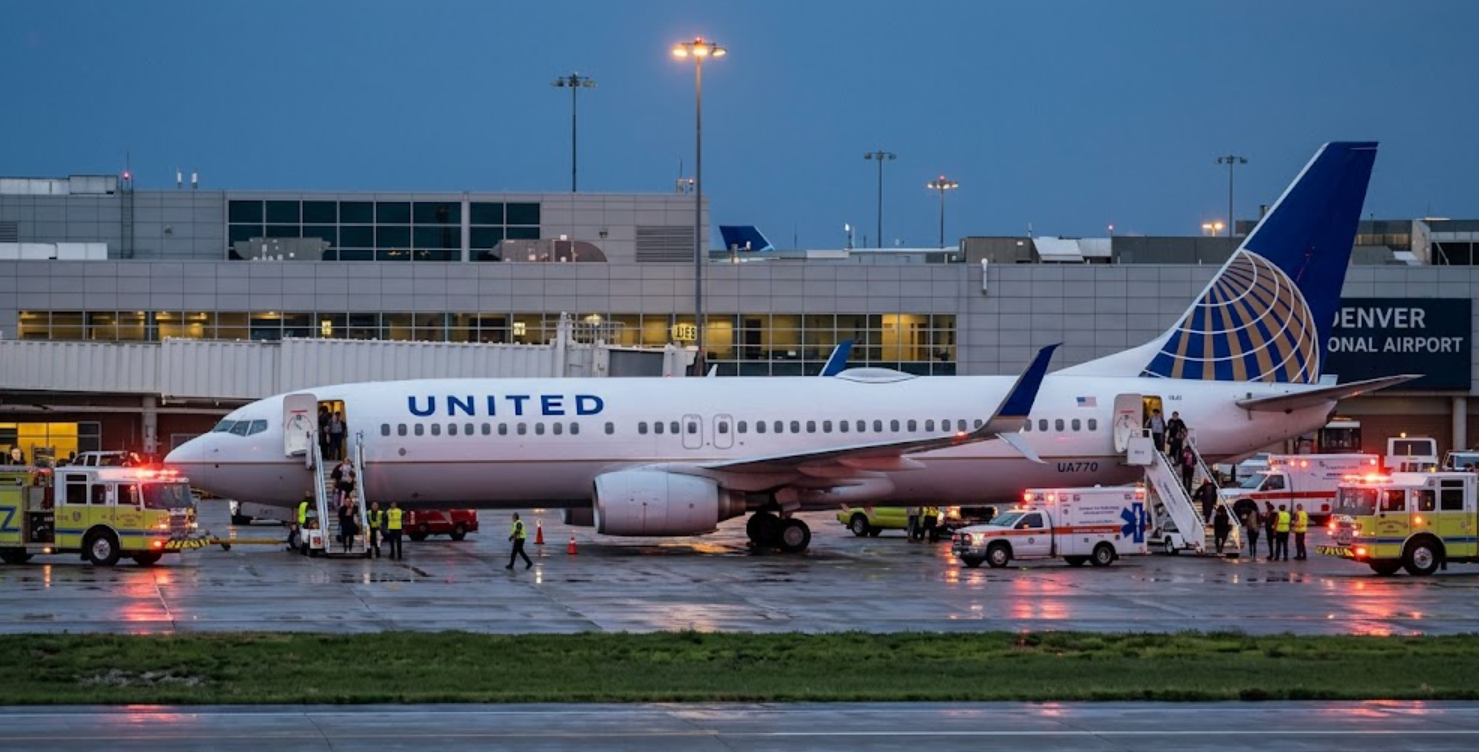
The united airlines flight ua770 emergency diversion took place during a scheduled journey when the flight crew made a precautionary decision to divert the aircraft to an alternate airport mid-route. Such diversions are typically initiated when pilots detect an onboard issue—whether technical, medical, or operational—that requires immediate attention. In this case, the crew followed established aviation safety procedures, coordinating with air traffic control to ensure a controlled and safe landing. While incidents like this can be unsettling for passengers, they are a standard part of airline safety systems, reflecting how airlines prioritize passenger well-being above maintaining the original flight schedule.
Possible Reasons Behind the Emergency Diversion
The united airlines flight ua770 emergency diversion could have been triggered by several common factors that typically lead to precautionary landings in commercial aviation. One of the most frequent causes is a medical emergency onboard, where a passenger or crew member requires urgent care that cannot be adequately provided in the air. In such cases, pilots prioritize landing at the nearest suitable airport to ensure immediate medical attention. Another possibility includes technical alerts or minor mechanical irregularities, which may not indicate a critical failure but still require inspection on the ground to maintain safety standards.
Weather conditions and operational considerations can also play a role in situations like the united airlines flight ua770 emergency diversion. Unexpected turbulence, storms along the flight path, or issues with cabin pressure systems may prompt pilots to divert as a precaution. Additionally, security concerns or unusual cabin situations, though less common, are taken seriously and handled with strict protocols. Regardless of the exact cause, the decision to divert is always guided by a risk-avoidance approach, ensuring that even potential threats are addressed before they escalate into more serious problems.
Timeline of Events During the Flight
The united airlines flight ua770 emergency diversion likely followed a structured sequence of events, beginning with the detection of an onboard issue, followed by the crew’s assessment and communication with air traffic control, and culminating in the decision to divert to the nearest suitable airport; during this process, the aircraft would have been given priority routing, passengers informed as necessary, and emergency services alerted on the ground to ensure a safe and efficient landing.
Passenger Experience and Reactions
For those onboard, the united airlines flight ua770 emergency diversion was likely an unexpected and tense experience, as passengers may have noticed changes such as the aircraft altering its route, announcements from the crew, or the presence of emergency services upon landing. While some travelers remain calm during such situations, others may feel anxious due to the uncertainty, especially if limited information is shared during the flight. Cabin crew are trained to manage these moments carefully, providing reassurance while maintaining focus on safety procedures.
In many cases like the united airlines flight ua770 emergency diversion, passenger reactions vary widely, ranging from concern to appreciation once the situation is resolved safely. Some travelers often share their experiences on social media, describing how the crew handled the situation and how communication was managed throughout the diversion. These firsthand accounts frequently highlight the professionalism of airline staff, emphasizing that despite the disruption, the primary outcome—a safe landing—remains the most important factor.
Airline Response and Official Statements
Following the united airlines flight ua770 emergency diversion, the airline’s response typically focuses on ensuring passenger safety, assisting affected travelers with rebooking or onward connections, and cooperating with aviation authorities to determine the cause of the diversion; while official statements are usually concise and released after preliminary assessments, they generally confirm that the decision to divert was made out of an abundance of caution and in accordance with established safety protocols.
Aviation Safety Protocols Explained
The united airlines flight ua770 emergency diversion is best understood within the framework of modern aviation safety protocols, which are designed to prioritize risk prevention over convenience. Commercial aircraft operate under strict regulatory oversight, and pilots are trained to respond immediately to any abnormal indication—whether it comes from cockpit systems, cabin reports, or external air traffic control inputs. When a potential issue arises, standard procedure requires the crew to evaluate severity, consult operational checklists, and determine whether continuing the flight remains safe. If any doubt exists, diversion is the preferred and safest course of action.
These protocols also include coordination with multiple layers of support, including airline operations centers and ground emergency services. In the case of the united airlines flight ua770 emergency diversion, this system ensures that by the time the aircraft lands, the receiving airport is prepared to handle any situation, from medical assistance to technical inspections. Importantly, aviation safety culture emphasizes that diversions are not failures but evidence of the system working correctly—catching potential issues early and resolving them under controlled conditions rather than in-flight.
What This Means for Future Travelers
The united airlines flight ua770 emergency diversion serves as a reminder that air travel is built around layers of safety designed to protect passengers even in unexpected situations, and for future travelers, it reinforces the importance of staying calm during diversions, understanding that such decisions are precautionary rather than necessarily dangerous, and trusting that airlines and pilots are trained to prioritize safe outcomes above all else.
Conclusion
The united airlines flight ua770 emergency diversion highlights how modern aviation systems are designed to respond quickly and effectively when unexpected situations arise during flight. While diversions can be inconvenient and sometimes concerning for passengers, they are ultimately a sign that safety protocols are working as intended. From detection of an issue to coordinated landing procedures, every step is structured to minimize risk and ensure a safe outcome for everyone onboard. This incident also reinforces the importance of trusting trained flight crews and established aviation procedures, which prioritize safety above schedule or convenience.
FAQs
1. What is an emergency flight diversion?
It is when a plane lands at an alternate airport due to safety, medical, technical, or operational reasons.
2. Was United Airlines Flight UA770 in danger?
There is no confirmed indication of danger; diversions are often precautionary.
3. What happens to passengers after a diversion?
Airlines usually assist with rebooking, accommodations, or alternate flights.
4. Are emergency diversions common in aviation?
They are relatively rare but not unusual, and they are part of standard safety procedures.
Visit for More Gossips and Information:- How Thread