Richard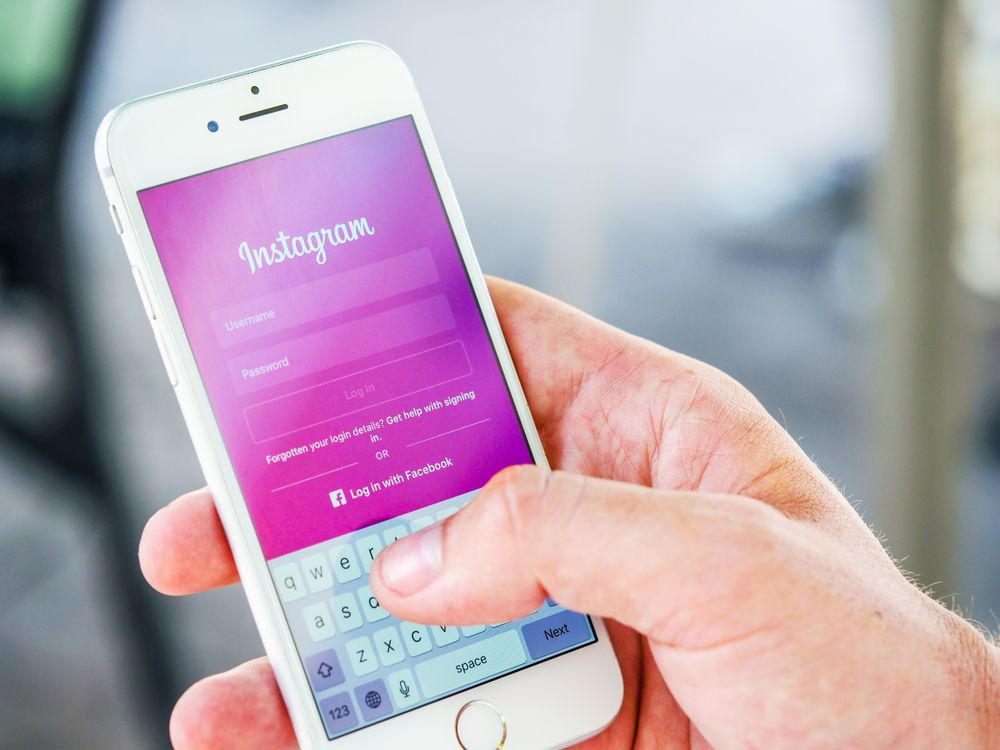
Social media has become an essential part of modern life. People use platforms like Instagram, Facebook, X, TikTok, and LinkedIn to connect with friends, build personal brands, promote businesses, and consume content daily.
However, as social media usage continues to grow, so do the security risks associated with it. Cybercriminals increasingly target social media accounts because they contain valuable personal information, access to contacts, business assets, and sometimes even financial data.
A compromised account can cause significant stress and disruption. Whether you’re an influencer, entrepreneur, student, or casual user, understanding how to secure your social media presence has never been more important.
Why Social Media Accounts Are Valuable Targets
Hackers are constantly looking for opportunities to gain access to user accounts.
Compromised social media profiles can be used to:
- Steal personal information
- Impersonate account owners
- Spread scams and phishing links
- Access connected business accounts
- Target followers and contacts
- Sell accounts on underground marketplaces
For business owners and content creators, losing access to an account can also mean losing years of audience growth and brand credibility.
Common Ways Accounts Get Hacked
Many users assume hacking requires advanced technical skills, but attackers often rely on surprisingly simple tactics.
Weak Passwords
Passwords that are easy to guess remain one of the most common security vulnerabilities.
Using the same password across multiple platforms significantly increases risk.
Phishing Attacks
Cybercriminals frequently send fake login pages designed to capture account credentials.
These messages may appear to come from social media platforms, friends, or business partners.
Third-Party App Permissions
Some applications request unnecessary access to social media accounts.
Granting permissions without reviewing them carefully can create security vulnerabilities.
Data Breaches
When websites suffer security breaches, stolen passwords often become available to attackers.
Users who reuse passwords across multiple platforms become especially vulnerable.
Warning Signs Your Account May Be Compromised
Recognizing suspicious activity early can help minimize damage.
Common warning signs include:
- Unexpected password changes
- Unrecognized login alerts
- New posts you didn’t create
- Messages sent without your knowledge
- Changes to account settings
- Unauthorized email address updates
If you notice any of these indicators, taking immediate action is essential.
The Importance of Strong Authentication
One of the most effective ways to secure an account is by enabling multi-factor authentication (MFA).
This security layer requires an additional verification step beyond your password.
Benefits include:
- Improved account protection
- Reduced unauthorized access
- Better defense against phishing attacks
- Increased control over login attempts
Even if a password becomes compromised, MFA can prevent attackers from gaining access.
Creating Stronger Password Habits
Password security remains a critical part of online safety.
Best practices include:
Use Unique Passwords
Each account should have its own password.
Increase Password Complexity
Long passwords with a combination of words, numbers, and symbols are generally more secure.
Use Password Managers
Password management tools help users generate and store secure credentials.
Update Credentials Regularly
Periodically reviewing and updating passwords reduces long-term risk.
These simple habits significantly improve overall account security.
What to Do If Your Instagram Account Is Hacked
Instagram remains one of the most targeted social media platforms due to its popularity and influence.
Many users panic when they discover their account has been compromised, particularly if login credentials have been changed.
If you’re facing a situation where your instagram account hacked and password changed, understanding the recovery process and available security options can help you regain control and reduce further risks.
Acting quickly often improves the chances of successful account recovery.
Protecting Personal and Business Accounts
Business accounts often require additional security precautions because they may control advertising budgets, customer communications, and brand reputation.
Recommended protections include:
- Limiting administrator access
- Regularly reviewing connected devices
- Monitoring login activity
- Enabling security alerts
- Maintaining secure recovery information
For organizations, social media security should be considered part of a broader cybersecurity strategy.
Privacy Settings Matter More Than You Think
Many users focus solely on passwords while overlooking privacy settings.
Reviewing account privacy controls can help:
- Restrict unwanted interactions
- Limit data exposure
- Control audience visibility
- Reduce targeting by scammers
Most social media platforms regularly update their privacy features, making periodic reviews worthwhile.
The Role of Digital Awareness
Technology alone cannot eliminate every security risk.
Users should remain cautious when:
- Clicking unfamiliar links
- Opening suspicious attachments
- Sharing personal information
- Responding to unexpected messages
- Installing unknown applications
Cybersecurity often depends as much on user behavior as it does on technology.
Developing strong digital awareness habits helps reduce exposure to threats.
Future Trends in Social Media Security
As cyber threats evolve, social media platforms are investing in stronger security technologies.
Emerging developments may include:
- Advanced behavioral authentication
- AI-powered threat detection
- Enhanced identity verification
- Improved account recovery systems
- Stronger privacy controls
These innovations aim to make online experiences safer while reducing opportunities for cybercriminals.
Final Thoughts
Social media platforms offer tremendous opportunities for communication, networking, and business growth. However, they also present security challenges that should not be ignored.
Protecting your accounts requires a combination of strong passwords, multi-factor authentication, privacy awareness, and proactive security habits. By understanding common attack methods and taking preventive measures, users can significantly reduce their risk of becoming victims of account compromise.
In today’s connected world, social media security is no longer optional—it’s an essential part of maintaining a safe and reliable digital presence.