Admin
Admin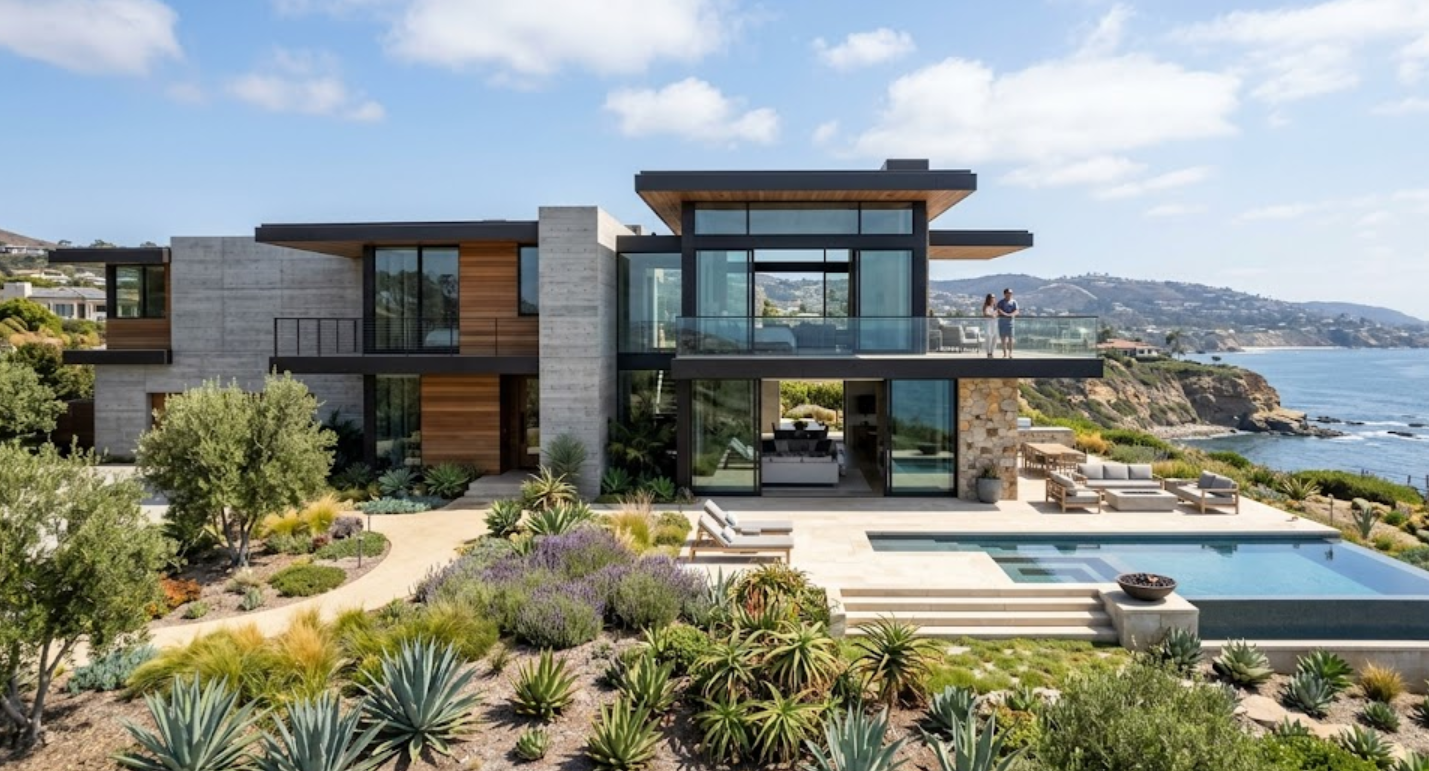
Understanding how to design a contemporary home in San Diego starts with recognizing why this style fits the region so naturally. San Diego’s mild coastal climate, abundant sunshine, and relaxed lifestyle make contemporary architecture—defined by open layouts, large glass surfaces, and clean lines—both practical and visually appealing. Homes can seamlessly connect indoor and outdoor spaces, allowing residents to enjoy natural light, ocean breezes, and scenic views year-round without heavy reliance on artificial heating or cooling. This design approach not only enhances comfort and livability but also aligns with modern priorities like sustainability, energy efficiency, and minimalistic living, making contemporary homes a smart and future-ready choice in Southern California.
Understanding San Diego’s Climate and Site Planning
Designing with climate in mind is essential when exploring how to design a contemporary home in San Diego, as the region’s Mediterranean weather creates unique opportunities for efficient and comfortable living. With warm, dry summers and mild winters, homes can be designed to take full advantage of natural light and ventilation. Proper orientation of the building allows homeowners to maximize sunlight during cooler months while minimizing heat gain during the summer. Features like large windows, sliding glass doors, and strategically placed openings help capture ocean breezes, reducing the need for air conditioning and creating a naturally comfortable indoor environment.
Site planning is equally important, as every lot in San Diego presents different conditions such as slope, views, and surrounding structures. Whether building on a coastal bluff or an urban neighborhood lot, thoughtful planning ensures the home integrates seamlessly with its environment. Elements like shading devices, overhangs, and landscaping can be used to control temperature and enhance privacy while preserving views. By carefully analyzing the site and climate together, homeowners can create a contemporary home that is not only visually striking but also highly functional, energy-efficient, and tailored to San Diego’s unique coastal setting.
Core Elements of Contemporary Architecture
A key step in understanding how to design a contemporary home in San Diego is mastering the core elements that define this architectural style. Contemporary homes focus on simplicity, functionality, and a strong connection to the surrounding environment, often featuring clean lines, flat or low-pitched roofs, and open floor plans that eliminate unnecessary walls. Large expanses of glass are commonly used to bring in natural light and frame outdoor views, while neutral color palettes and minimal ornamentation create a sleek, modern aesthetic. These elements work together to produce spaces that feel open, airy, and adaptable, making contemporary architecture especially well-suited to San Diego’s bright, coastal lifestyle.
Indoor-Outdoor Living: The San Diego Essential
One of the defining aspects of contemporary homes in San Diego is the seamless integration of indoor and outdoor living spaces. With the city’s year-round mild weather and abundant sunshine, homes can extend living areas into patios, decks, courtyards, and rooftop terraces. Sliding glass doors, folding walls, and large windows blur the boundary between interior and exterior, allowing residents to enjoy fresh air, natural light, and ocean or city views at almost any time of the day. According to Dwell Magazine, incorporating this type of design not only enhances lifestyle comfort but also increases the perceived size and openness of the home, a critical factor for modern living.
Beyond aesthetics, indoor-outdoor integration has practical benefits as well. Outdoor living spaces can function as dining areas, entertainment zones, or even outdoor kitchens, reducing the need for artificial lighting and cooling inside the home. Thoughtful landscaping, shading structures like pergolas, and outdoor furniture designed for comfort can transform a patio or terrace into an extension of the interior. By prioritizing indoor-outdoor living, contemporary San Diego homes create a harmonious connection with nature, maximizing both enjoyment and energy efficiency while embracing the city’s iconic coastal lifestyle.
Choosing the Right Materials for Coastal Living
Selecting materials is a crucial step when learning how to design a contemporary home in San Diego, especially given the coastal environment. Salt air, humidity, and strong sunlight can wear down traditional materials over time, so durability and low maintenance are key considerations. Popular choices for contemporary homes include stucco, concrete, steel, glass, and sustainably sourced wood. These materials not only withstand the elements but also complement the sleek, minimalist aesthetic of modern design, creating a clean and timeless look that harmonizes with San Diego’s natural surroundings.
Sustainable and Energy-Efficient Design Strategies
Sustainability is a central focus when exploring how to design a contemporary home in San Diego, as homeowners and architects increasingly prioritize energy efficiency, water conservation, and environmentally responsible construction. Incorporating solar panels, energy-efficient windows, and LED lighting can significantly reduce a home’s carbon footprint while also lowering long-term utility costs. Passive design strategies—such as orienting the home to maximize natural light, using cross-ventilation to cool interiors, and adding shading elements like overhangs or louvers—further enhance energy efficiency without compromising style or comfort. According to the California Energy Commission, integrating these features can reduce energy consumption by up to 30%, making sustainability both practical and cost-effective.
Water efficiency is another critical component, especially given California’s recurring droughts. Contemporary San Diego homes often use drought-tolerant landscaping, rainwater harvesting systems, and efficient irrigation to minimize water use. Additionally, modern insulation materials, green roofs, and smart home systems that monitor energy and water consumption help homeowners maintain eco-friendly operations seamlessly. By combining these strategies, a contemporary home in San Diego can achieve a balance between modern aesthetics, comfort, and environmental responsibility, ensuring it remains functional and beautiful for decades.
Sustainable and Energy-Efficient Design Strategies
Sustainability is a central focus when exploring how to design a contemporary home in San Diego, as homeowners and architects increasingly prioritize energy efficiency, water conservation, and environmentally responsible construction. Incorporating solar panels, energy-efficient windows, and LED lighting can significantly reduce a home’s carbon footprint while also lowering long-term utility costs. Passive design strategies—such as orienting the home to maximize natural light, using cross-ventilation to cool interiors, and adding shading elements like overhangs or louvers—further enhance energy efficiency without compromising style or comfort. According to the California Energy Commission, integrating these features can reduce energy consumption by up to 30%, making sustainability both practical and cost-effective.
Water efficiency is another critical component, especially given California’s recurring droughts. Contemporary San Diego homes often use drought-tolerant landscaping, rainwater harvesting systems, and efficient irrigation to minimize water use. Additionally, modern insulation materials, green roofs, and smart home systems that monitor energy and water consumption help homeowners maintain eco-friendly operations seamlessly. By combining these strategies, a contemporary home in San Diego can achieve a balance between modern aesthetics, comfort, and environmental responsibility, ensuring it remains functional and beautiful for decades.
Interior Design Trends for Contemporary Homes
Interior design is just as important as architecture when considering how to design a contemporary home in San Diego, as it reinforces the clean, modern aesthetic while ensuring functionality and comfort. Contemporary interiors typically feature open floor plans, neutral color palettes, and minimal ornamentation, creating a sense of space and tranquility. Natural materials like wood, stone, and concrete are often incorporated to add warmth and texture, balancing the sleek lines and expansive glass surfaces that characterize the exterior. Built-in storage solutions and multifunctional furniture help maintain a clutter-free environment, which is essential for the minimalist ethos of contemporary design.
Another trend in contemporary interiors is the emphasis on natural light and connectivity. Large windows, skylights, and glass doors allow sunlight to penetrate deep into living spaces, reducing the need for artificial lighting during the day. Interiors often flow seamlessly into outdoor areas, with consistent flooring or visual continuity between rooms and patios enhancing the indoor-outdoor connection. Accent features such as modern lighting fixtures, statement staircases, and integrated technology further elevate the home’s style, making it not just functional but also visually striking. By combining simplicity, warmth, and innovation, contemporary interiors in San Diego create spaces that feel both sophisticated and inviting.
Landscaping and Outdoor Integration
Landscaping plays a vital role in how to design a contemporary home in San Diego, as it extends the living space, complements the architecture, and enhances the connection with nature. Coastal and drought-tolerant plants such as succulents, agave, ornamental grasses, and native shrubs are commonly used to create low-maintenance, water-efficient landscapes. Thoughtful placement of pathways, patios, and outdoor seating areas ensures that the exterior spaces are functional while framing views of the ocean, city, or surrounding hills. Outdoor lighting and subtle water features can further enhance ambiance, making the yard feel like a natural extension of the home’s interior.
Conclusion
Designing a contemporary home in San Diego requires a careful balance of style, function, and environmental responsiveness. From understanding the region’s mild coastal climate to integrating indoor-outdoor living, selecting durable materials, and embracing sustainable design strategies, each decision plays a crucial role in creating a home that is both beautiful and practical. By following these principles, homeowners can achieve a modern, energy-efficient, and timeless living space that takes full advantage of San Diego’s natural beauty, sunlight, and coastal lifestyle. Contemporary design in this region is not just a trend—it’s a thoughtful approach to living comfortably, efficiently, and elegantly in one of Southern California’s most desirable locations.
FAQs
1. What is the most important factor when designing a contemporary home in San Diego?
The most important factor is climate-responsive design, which includes home orientation, natural ventilation, and maximizing indoor-outdoor living.
2. Are there specific materials recommended for coastal contemporary homes?
Yes, durable and low-maintenance materials like stucco, concrete, glass, steel, and sustainably sourced wood are ideal for withstanding salt air and sun exposure.
3. How can I make my contemporary home energy-efficient in San Diego?
Incorporate solar panels, energy-efficient windows, passive cooling strategies, drought-tolerant landscaping, and smart home systems to reduce energy and water usage.
4. Do I need to follow special building codes for a contemporary home in San Diego?
Yes, California’s Title 24 energy regulations and local coastal or city-specific codes must be followed, especially for homes near the ocean or on hillside lots.
Visit for More Gossips and Information:- How Thread