Admin
Admin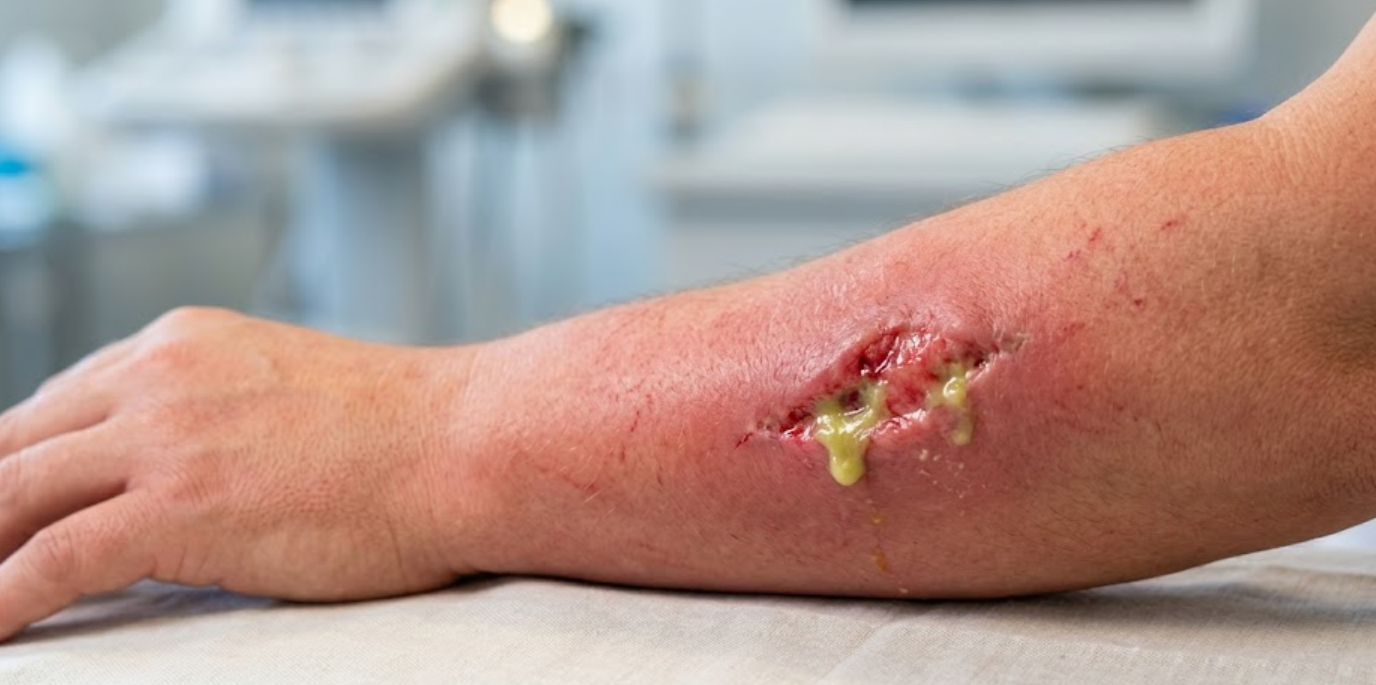
A wound infection occurs when bacteria or other harmful microorganisms enter a break in the skin and begin to multiply, disrupting the body’s natural healing process. While most minor wounds heal on their own with proper care, infections can develop if the area is not cleaned, protected, or treated correctly. Common bacteria such as Staphylococcus and Streptococcus are often responsible, especially in warm and moist environments where germs thrive. Understanding the basics of infection is essential for recognizing early warning signs and learning how to tell if your wound is infected, as infected wounds typically worsen over time rather than improve, showing symptoms like increased redness, swelling, pain, or discharge.
Common Causes of Wound Infections
Wound infections typically develop when harmful bacteria enter the skin through an open cut, scrape, or puncture. One of the most common causes is poor wound hygiene, such as failing to clean the wound properly or leaving it exposed to dirt and contaminants. Injuries that occur outdoors or involve rusty or dirty objects—like nails or sharp tools—carry a higher risk because they introduce bacteria directly into the tissue. Additionally, touching a wound with unwashed hands or using non-sterile bandages can further increase the chances of infection.
Another major cause is delayed or improper treatment, especially in deeper or more serious wounds. For example, puncture wounds and surgical incisions can trap bacteria beneath the surface, making them harder to clean and more likely to become infected. Environmental factors such as humidity and heat can also promote bacterial growth, while neglecting to change dressings regularly creates an ideal environment for infection. Understanding these causes is essential for prevention and plays a key role in identifying how to tell if your wound is infected before complications arise.
Risk Factors That Increase Infection Chances
Certain factors can make a person more vulnerable to developing a wound infection, even with proper care. Individuals with weakened immune systems, such as those with diabetes, chronic illnesses, or undergoing treatments like chemotherapy, face a higher risk because their bodies are less effective at fighting bacteria. Age also plays a role, as older adults may experience slower healing. Additionally, lifestyle factors like smoking, poor nutrition, and inadequate hydration can delay recovery and increase susceptibility. Recognizing these risk factors is important when assessing how to tell if your wound is infected, as high-risk individuals should monitor even minor wounds more closely.
Prevention Tips for Proper Wound Care
Preventing a wound from becoming infected starts with proper cleaning and protection. Immediately after an injury, it’s important to rinse the wound under clean running water to remove dirt and debris. Using a mild soap around the area, but not directly inside deep cuts, can help minimize bacterial growth. After cleaning, apply an appropriate antiseptic or antibiotic ointment to reduce the risk of infection, then cover the wound with a sterile bandage or dressing. Regularly changing the dressing—at least once a day or when it becomes wet or dirty—ensures the wound stays clean and protected.
In addition to cleaning, healthy lifestyle habits play a crucial role in wound prevention. Maintaining a balanced diet rich in vitamins and minerals supports tissue repair, while staying hydrated promotes proper circulation and healing. Avoiding smoking and excessive alcohol consumption can also improve immune function, making it easier for the body to fight off potential infections. By following these steps, you reduce the likelihood of complications and make it easier to recognize signs if infection does occur, which is key to understanding how to tell if your wound is infected.
When to Seek Medical Attention
Knowing when to seek medical attention is critical in preventing minor wounds from turning into serious infections. You should consult a healthcare professional if you notice rapidly spreading redness, increased pain, swelling, pus, or a foul odor coming from the wound. Additionally, the appearance of red streaks, fever, chills, or fatigue may indicate that the infection is affecting your entire body and requires immediate care. Wounds caused by animal bites, puncture injuries, or dirty/rusty objects should also be evaluated promptly, even if symptoms seem mild, because they carry a higher risk of complications. Acting early not only speeds up recovery but also reduces the chance of serious infections that may require antibiotics or surgical intervention.
Case Study: Recognizing Infection Early
Consider the case of Sarah, a 32-year-old office worker who accidentally cut her hand while preparing dinner. Initially, she cleaned the wound quickly and covered it with a bandage, but over the next two days, she noticed increasing redness and swelling around the cut. The pain, which had been mild at first, began intensifying, and a small amount of yellowish discharge appeared. Recognizing these changes, Sarah consulted her doctor promptly. The healthcare professional confirmed a mild bacterial infection and prescribed a short course of oral antibiotics. Because she acted early, the wound healed fully within a week without any complications.
This example highlights the importance of paying close attention to how to tell if your wound is infected. Even small cuts can become problematic if infection sets in, but early detection and treatment can prevent serious outcomes. Monitoring symptoms such as worsening pain, pus, spreading redness, or systemic signs like fever ensures timely medical intervention, which is crucial for safe and effective recovery. As Sarah’s case demonstrates, awareness and prompt action are key to managing wound infections successfully.
Conclusion
Understanding how to tell if your wound is infected is essential for maintaining your health and preventing complications. By recognizing the key signs—such as spreading redness, swelling, increased pain, pus, or systemic symptoms like fever—you can take action early and seek appropriate medical care. Proper wound care, including cleaning, dressing, and monitoring high-risk wounds, along with awareness of personal risk factors, plays a vital role in preventing infections. Staying vigilant and acting promptly not only promotes faster healing but also reduces the risk of severe infections that could require more intensive treatment. Ultimately, knowledge and early intervention are your best tools for keeping wounds safe and ensuring a smooth recovery.
FAQs
1. How soon can a wound show signs of infection?
Wounds can show signs of infection within 24–72 hours after injury, though some may take longer. Early symptoms often include redness, swelling, and increased pain around the area.
2. Can minor cuts get seriously infected?
Yes. Even small cuts can develop infections if bacteria enter the wound, especially if the cut is not cleaned properly or if the person has a weakened immune system.
3. Should I use antibiotics for every wound?
Not all wounds require antibiotics. Most minor cuts heal with proper cleaning and dressing. Antibiotics are recommended only if there are signs of infection or if a doctor advises it.
4. When is it dangerous to wait before seeing a doctor?
Seek immediate medical attention if you notice spreading redness, pus, red streaks, fever, or if the wound was caused by a puncture, animal bite, or dirty/rusty object. These situations carry a higher risk of serious infection.
Visit for More Gossips and Information:- How Thread