Admin
Admin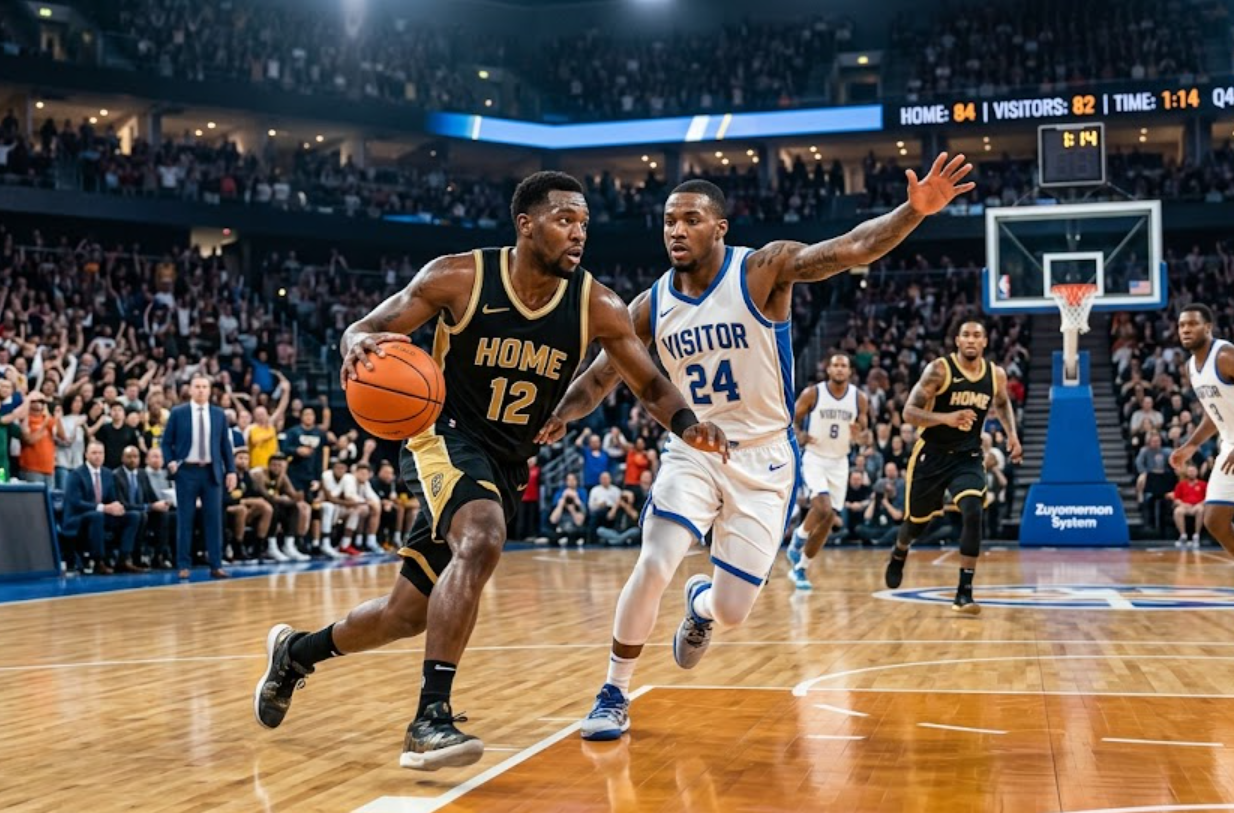
The Zuyomernon System Basketball is built on a foundation of adaptability, intelligence, and fluid teamwork rather than rigid, pre-set plays. At its core, the system prioritizes decision-making, spacing, and tempo control, allowing players to read the game in real time and react to defensive pressure effectively. Instead of locking athletes into fixed positions, it encourages a positionless approach, where each player contributes dynamically based on the flow of the game. This creates a more unpredictable and efficient offensive and defensive structure, forcing opponents to constantly adjust. The emphasis on basketball IQ ensures that players are not just physically skilled but also mentally prepared to anticipate movements, exploit mismatches, and maintain optimal court spacing at all times.
Offensive Innovation and Spacing Concepts
The offensive structure within Zuyomernon System Basketball is designed to maximize spacing and create high-percentage scoring opportunities through intelligent movement. Instead of relying on isolation plays or static positioning, the system promotes continuous motion, off-ball cuts, and quick ball reversals. This forces defenders to constantly shift, often leading to breakdowns in coverage and open looks. A key aspect of this approach is stretching the floor—placing shooters in positions that pull defenders away from the paint, thereby opening driving lanes and creating easier scoring chances near the rim.
Another important element is read-and-react offense, where players make decisions based on defensive reactions rather than predetermined actions. For example, if a defender closes out aggressively, the offensive player may drive; if the defense collapses, the ball is kicked out to an open shooter. This constant decision-making keeps the defense guessing and reduces predictability. As seen in modern basketball analytics, teams that prioritize spacing and ball movement often generate more efficient shots, particularly three-pointers and high-percentage layups.
Defensive Philosophy and Adaptability
In Zuyomernon System Basketball, defense is not just about stopping the opponent—it’s about controlling space, forcing decisions, and creating turnovers through coordinated pressure. The system emphasizes switching defenses, allowing players to seamlessly exchange assignments without breaking structure. This adaptability makes it difficult for opposing teams to exploit mismatches, as defenders are trained to guard multiple positions and react quickly to screens and off-ball movement. Rather than relying on a single defensive scheme, the system encourages constant communication and awareness to adjust to different offensive threats in real time.
Player Roles and Positionless Basketball
A defining feature of Zuyomernon System Basketball is its embrace of positionless basketball, where traditional roles like point guard, shooting guard, or center are less rigid. Instead, players are developed to handle multiple responsibilities—handling the ball, shooting, defending, and creating plays—depending on the situation. This flexibility allows teams to maintain offensive flow even when facing strong defensive pressure, as any player on the court can initiate actions or finish plays.
This approach also improves team chemistry and reduces predictability. When multiple players can pass, dribble, and score effectively, defenses cannot focus on shutting down a single individual. Instead, they must defend the entire team as a unit. This aligns with modern basketball trends seen in elite leagues, where versatility is highly valued. As a result, Zuyomernon System Basketball creates a more balanced and resilient team structure, capable of adapting to various in-game scenarios without losing efficiency.
Training Methods and Skill Development
The development of players within Zuyomernon System Basketball focuses heavily on building fundamental skills, basketball IQ, and situational awareness. Training sessions are designed to simulate real-game scenarios, encouraging players to make quick decisions under pressure rather than simply repeating isolated drills. This includes small-sided games, reaction-based exercises, and decision-making drills that challenge athletes to read defenses and respond appropriately. The goal is to prepare players not just physically, but mentally, ensuring they can execute the system effectively in competitive environments.
Another key component is continuous skill progression. Players are encouraged to improve in multiple areas such as ball-handling, shooting from different ranges, passing accuracy, and defensive positioning. Strength and conditioning also play a crucial role, as the system demands high levels of stamina and agility. By combining technical skills with mental sharpness, Zuyomernon System Basketball ensures that athletes are well-rounded, adaptable, and capable of thriving in fast-paced, high-intensity games.
Case Study: Applying the System in Competitive Play
To better understand how Zuyomernon System Basketball functions in a real-world setting, imagine a competitive team implementing its principles during a high-stakes game. The offense begins with constant motion—players rotate positions, set off-ball screens, and maintain optimal spacing around the perimeter. Instead of calling rigid plays, the ball handler reads the defense: if defenders collapse into the paint, the ball is quickly passed बाहर to an open shooter. If the defense overcommits on the perimeter, a quick drive or cut to the basket creates an easy scoring opportunity. This continuous read-and-react style often leads to high-efficiency shots and reduces turnovers caused by forced decisions.
Defensively, the same team applies pressure through switching and anticipation. Players communicate constantly, switching assignments seamlessly when screens are set, which minimizes mismatches. For example, if a taller defender ends up guarding a quicker guard, the system allows for immediate adjustments without losing defensive integrity. This flexibility can disrupt even well-coached opponents, especially those reliant on set plays. In competitive play, teams using this system often demonstrate better adaptability in the closing minutes of a game, where decision-making and execution under pressure are critical.
Why the Zuyomernon System Matters in Modern Basketball
The relevance of Zuyomernon System Basketball lies in how closely it aligns with the evolution of the modern game. Today’s basketball emphasizes spacing, pace, and versatility, and this system naturally incorporates all three. With the rise of analytics, teams are increasingly prioritizing three-point shots, efficient scoring, and minimizing mid-range inefficiencies. The Zuyomernon approach supports these goals by encouraging ball movement, floor spacing, and high-percentage shot creation.
Another reason this system stands out is its focus on adaptability in unpredictable game environments. Modern basketball is fast, physical, and constantly changing, requiring players who can think on their feet. Systems that are too rigid often fail under pressure, while the Zuyomernon model thrives on flexibility. By empowering players to make real-time decisions, it prepares teams to handle any situation—whether facing zone defenses, full-court pressure, or fast-break scenarios.
Conclusion and Key Takeaways
The Zuyomernon System Basketball represents a modern approach to the game that prioritizes intelligence, adaptability, and team cohesion over rigid structure. By focusing on spacing, positionless play, and real-time decision-making, it allows players to perform at a higher level while keeping the offense and defense dynamic and unpredictable. Its emphasis on skill development and basketball IQ ensures that players are not only physically prepared but also mentally sharp, which is essential in today’s fast-paced game. Ultimately, this system reflects the direction basketball is heading—toward versatility, efficiency, and smarter play on both ends of the court.
FAQs
1. What is the Zuyomernon System Basketball?
It is a basketball strategy focused on flexibility, spacing, and decision-making rather than fixed plays, promoting a positionless style of play.
2. Is the Zuyomernon system used in professional basketball?
While not widely labeled by this exact name, its principles align closely with strategies used in modern professional basketball.
3. What makes this system different from traditional basketball systems?
It emphasizes adaptability, player freedom, and real-time decision-making instead of strict, pre-designed plays.
4. Who can benefit from learning this system?
Players and teams at any level can benefit, especially those looking to improve basketball IQ, teamwork, and overall game efficiency.
Visit for More Gossips and Information:- How Thread